The BluSmart Scam: Analysis of Founder Fraud

Bluesmart
The recent collapse of BluSmart, an Indian electric vehicle (EV) ride-hailing startup once celebrated for its eco-friendly services, has exposed a sophisticated financial fraud orchestrated by its founders. Anmol Singh Jaggi and Puneet Singh Jaggi, who simultaneously managed Gensol Engineering Limited, allegedly misused ₹262 crore ($31 million) of government loans intended for EV procurement, diverting funds through opaque transactions and fabricated contracts. This report dissects the scam’s mechanics, regulatory failures, and societal impact, while proposing IT-driven solutions to prevent similar frauds. By integrating advanced fraud detection systems, robust corporate governance tools, and AI-powered oversight mechanisms, organizations can mitigate risks associated with application fraud, fund misappropriation, and synthetic identity schemes.
The BluSmart-Gensol Fraud: Anatomy of a Collapse
Background and Corporate Structure
BluSmart, founded in 2019, operated a fleet of 6,400 EVs across Delhi-NCR, Mumbai, and Bengaluru, distinguishing itself through well-maintained vehicles and competitive pricing. However, its business model relied on a complex financial arrangement with Gensol Engineering, a solar energy firm also co-founded by the Jaggi brothers. Gensol secured ₹830 crore ($97 million) in loans from government-backed institutions under the pretext of purchasing EVs for BluSmart’s operations. While ₹568 crore ($67 million) was allocated to EV acquisitions, the remaining ₹262 crore ($31 million) vanished without trace, raising red flags during a routine audit by the National Stock Exchange (NSE).
The Fraudulent Scheme
Misuse of Public Funds
The Jaggi brothers exploited intercompany transactions to mask fund diversion. Gensol leased EVs to BluSmart at inflated rates, creating a circular flow of capital that obscured the misuse of loans. SEBI’s interim order revealed that only 68% of the loan amount was spent on EVs, while the rest financed unrelated ventures or personal expenses. This misallocation violated India’s Prevention of Money Laundering Act (PMLA) and the Companies Act, which mandate transparent use of public funds.
Fabricated Contracts and Investor Deception
In early 2025, Gensol announced 30,000 EV pre-orders during the Bharat Mobility Expo, claiming partnerships with nine firms. However, subsequent investigations exposed these memoranda of understanding (MOUs) as fraudulent. The MOUs lacked critical details such as pricing, delivery schedules, or binding commitments, and the purported clients denied involvement. This tactic, akin to synthetic identity fraud in financial applications, involved creating fictitious entities to inflate perceived demand and attract additional investments.
Regulatory and Governance Failures
SEBI identified a "complete breakdown" in Gensol’s corporate governance, with the Jaggi brothers bypassing board oversight to approve fraudulent transactions. The absence of segregated duties allowed them to control both fund disbursement and accounting, eliminating checks against misuse. Auditors failed to verify the physical existence of EVs, relying instead on forged documentation—a lapse highlighting the need for IoT-enabled asset tracking systems.
Impact and Fallout
BluSmart’s abrupt shutdown stranded thousands of commuters and drivers, while investors faced losses exceeding ₹500 crore ($59 million). The scandal eroded trust in India’s startup ecosystem, prompting SEBI to bar the founders from capital markets and dissolve Gensol’s board. This case underscores systemic vulnerabilities in startup financing, particularly the lack of safeguards against related-party transactions and identity fraud.
IT-Driven Fraud Prevention Frameworks
Application Fraud Detection Systems
Real-Time Identity Verification
BluSmart’s scam exploited weak KYC (Know Your Customer) protocols, allowing the founders to manipulate intercompany agreements. Modern application fraud detection tools, such as Socure’s identity graph, cross-reference data across 30+ sources to flag discrepancies in business registrations, director identities, and transaction histories. For instance, AI-driven analysis of Gensol’s MOUs could have detected missing fields (e.g., payment terms) or mismatched digital signatures, triggering alerts for manual review
Behavioral Biometrics and Risk Scoring
Fraud Detector systems employs machine learning to assess risk in real time, analyzing patterns such as rapid contract generation or abnormal login times. Had Gensol implemented such a system, its sudden spike in MOUs (30,000 pre-orders in a month) would have generated a high-risk score, prompting auditors to inspect physical assets.
Corporate Governance and Internal Controls
Segregation of Duties (SoD)
The fraud thrived because the Jaggi brothers controlled both loan disbursement (custody) and financial reporting (recordkeeping). Governance platforms like Diligent enforce SoD by restricting system access based on roles. For example, a CFO could authorize payments but not modify vendor details, while auditors could review logs but not approve transactions.
Automated Document Management
BluSmart’s auditors relied on paper-based invoices, which were easily forged. Cloud-based systems like GovernanceAtWork.io provide immutable ledgers, storing encrypted copies of contracts, invoices, and board resolutions. Blockchain integration ensures tamper-proof records, with smart contracts automatically flagging deviations from agreed terms (e.g., missing EV deliveries).
Predictive Analytics for Fund Monitoring
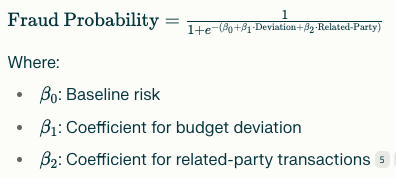
AI-Powered Cash Flow Analysis Machine learning models can predict expected fund utilization based on historical data. If Gensol’s loans were allocated to EVs, the system would flag deviations like sudden purchases of non-EV assets. Amazon Fraud Detector’s custom models, trained on 20+ years of transaction data, achieve 90% accuracy in predicting misallocations.
Bluesmart
IoT and Geofencing for Asset Tracking
Each EV financed through loans could be equipped with IoT sensors transmitting real-time location and usage data. Geofencing alerts would trigger if vehicles left operational zones, while usage analytics would detect anomalies (e.g., unregistered repairs).
Regulatory Compliance Automation
SEBI’s interim order criticized Gensol’s manual compliance processes. Tools like SAP’s GRC (Governance, Risk, and Compliance) automate reporting, ensuring adherence to India’s Companies Act and IFRS standards. Real-time dashboards provide regulators with direct access to audit trails, reducing reliance on corporate submissions.
Conclusion: Building a Fraud-Resistant Ecosystem
The BluSmart-Gensol fraud exemplifies how gaps in governance, fund monitoring, and identity verification enable large-scale financial crimes. However, emerging technologies offer robust countermeasures:
AI-Driven Fraud Detection: Real-time analysis of contracts, transactions, and user behavior to flag anomalies.

Decentralized Governance: Blockchain-based recordkeeping and smart contracts to prevent document tampering.

Integrated Oversight Platforms: Unified dashboards combining financial, operational, and compliance data for auditors.
For startups, implementing these solutions requires collaboration with fintech partners and regulators. SEBI’s proposed digital ledger mandate for listed companies, effective 2026, is a step toward transparency. Meanwhile, investors must prioritize startups adopting Fraud Detection tools, ensuring that innovation aligns with integrity. The BluSmart case is a cautionary tale, but also a roadmap for reform—one where technology not only powers businesses but safeguards them.